


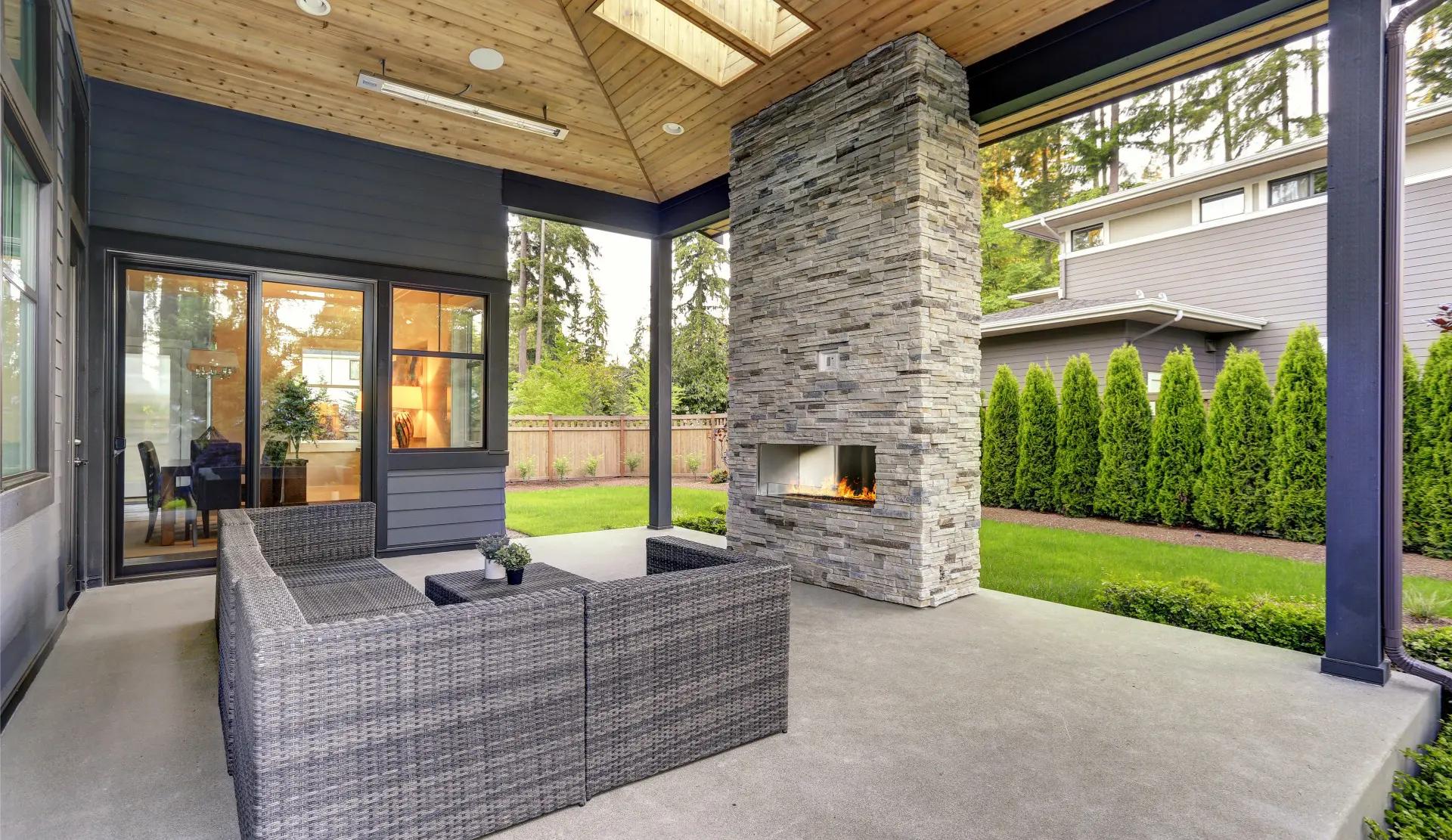
Adding a concrete patio is one of the best ways to enhance your outdoor living space. Whether you're building a spot for weekend barbecues, outdoor lounging, or just increasing your home's value, the process requires a little preparation to ensure a smooth installation and long-lasting results.
In this blog, we’ll guide you through what to expect and how to prepare before your concrete patio installation begins.
Start by evaluating where you want your patio. Look for a space that:
Marking the area ahead of time gives your contractor a clear starting point and helps you visualize the final result.
Before any work begins, clear the designated space. That includes:
A clean, empty workspace helps ensure precise grading and a stronger concrete foundation.
Proper water runoff is critical to the longevity of your concrete patio. Your contractor will typically grade the soil to ensure water drains away from your home. However, it's helpful to understand how slope affects both aesthetics and safety.
This step reduces water pooling and prevents premature cracking and shifting—common reasons people need concrete patio repair down the road.
Concrete patios aren’t just gray slabs anymore. Today, you can customize with:
Decide early if you want these custom features, as they affect both preparation and pricing. Professional teams can offer design recommendations based on your landscape and lifestyle.
Concrete work is highly weather-dependent. Try to schedule your patio installation during a stretch of mild, dry weather. Your contractor will monitor forecasts, but it’s still important to keep an eye out and stay flexible if needed.
Also, be sure to plan for a few days without using the area so the concrete can properly cure.
While each job is different, most concrete patio installations follow a general process:
Knowing this process helps set expectations and avoids unnecessary interruptions.

A beautiful concrete patio starts with smart planning and professional execution. Preparing your yard ahead of time, understanding your options, and working with an experienced team can make all the difference in how your new space turns out.
Looking to upgrade your backyard with a custom concrete patio? Now’s the perfect time to take the first step toward outdoor living that lasts.


.svg)